8th April 2026
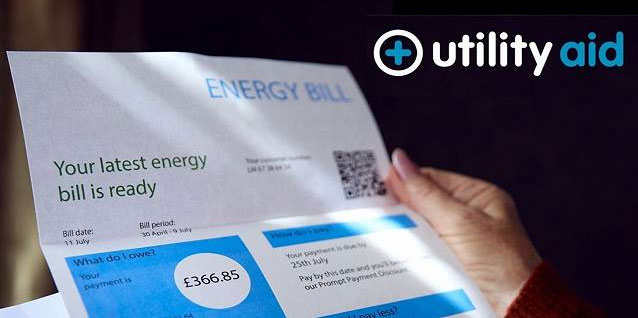
With energy costs continuing to be a significant concern for village halls and community buildings, it is important to understand exactly what makes up an electricity bill. Many organisations focus on the unit cost of electricity itself, but a substantial proportion of business energy bills consists of additional costs known as non-commodity charges.
Non-commodity charges are costs that suppliers pass on to customers to support the operation, maintenance and development of the UK’s energy system. These charges can account for a significant percentage of an organisation’s total electricity costs and are often difficult to identify without careful examination of invoices.
Some of the main non-commodity charges include:
- Network Charges – Costs associated with maintaining and upgrading the electricity transmission and distribution networks that deliver power across the country.
- Policy Costs – Charges that support Government environmental and social policies, including renewable energy generation and energy efficiency schemes.
- Capacity Market Charges – Costs associated with ensuring there is sufficient electricity generation capacity available to meet future demand.
- Balancing Services Charges – Charges used by the National Grid to balance electricity supply and demand in real time.
These costs are generally outside the control of energy suppliers and are applied across the market. They can vary over time depending on Government policy, network investment requirements and wider energy market conditions.
For community buildings, understanding these charges can help when comparing energy contracts and evaluating quotations from suppliers. A lower unit price does not always mean a lower overall bill if other charges differ significantly between contracts.
Village halls and community organisations are encouraged to:
- Review energy invoices carefully and ask suppliers for a breakdown of costs.
- Compare total contract costs rather than focusing solely on unit rates.
- Monitor energy usage and identify opportunities to improve efficiency.
- Consider energy-saving measures that may reduce overall consumption and costs.
Reducing energy demand remains one of the most effective ways to manage rising costs. Improvements such as insulation, heating controls, LED lighting, solar generation and battery storage can all contribute to lower overall expenditure.
ACT continues to support village halls and community buildings with advice on energy efficiency, sustainability and building management. If your organisation would like support understanding energy costs or planning energy improvements, please get in touch.
For further information about community buildings and energy management, visit ACT’s Community Buildings webpages or contact the team directly.